
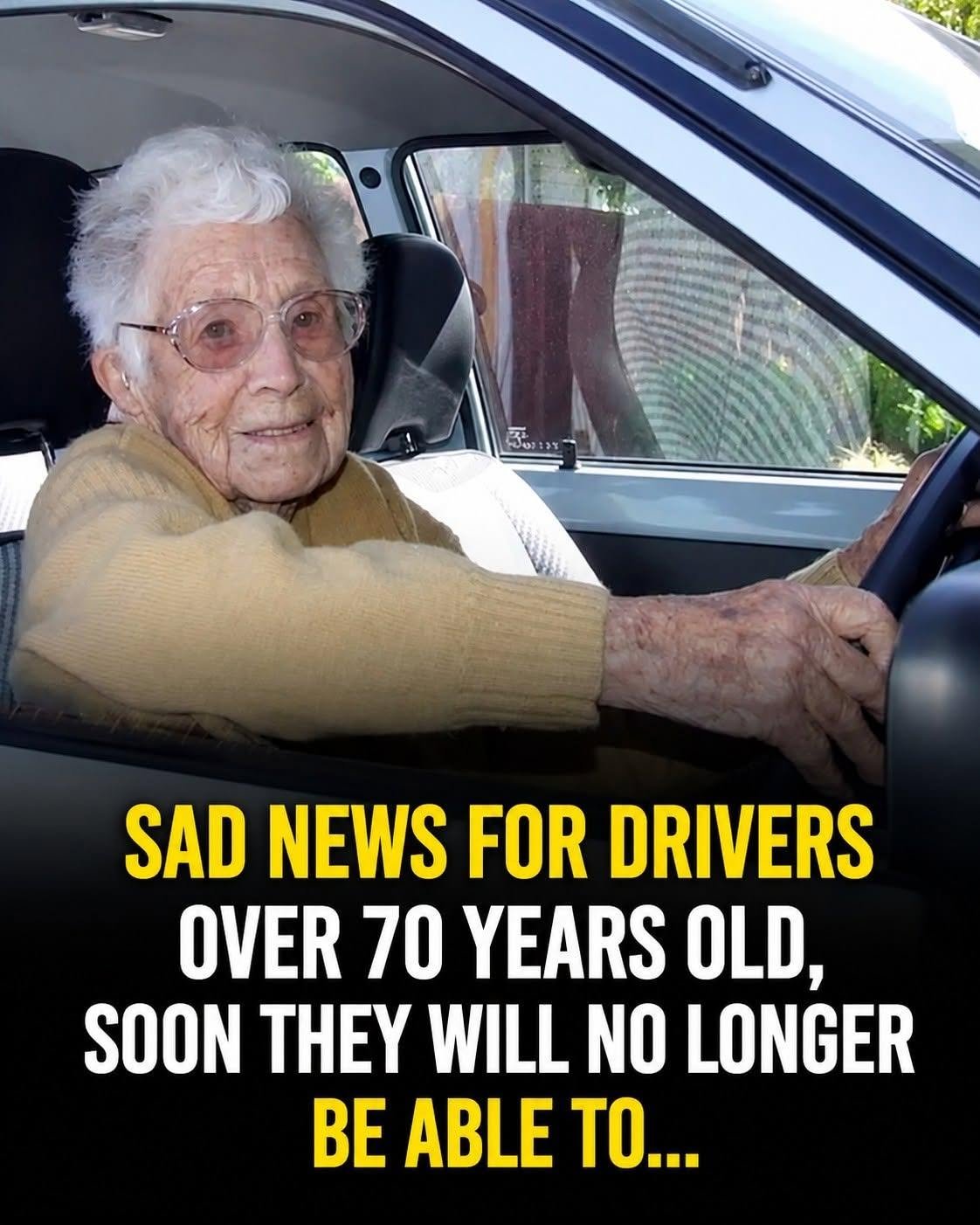
Some people remain confident and capable drivers well into their 70s, 80s, and beyond. Others may experience changes that make certain driving situations more difficult.
Common changes can include:
Vision
It can become harder to see clearly at night, notice objects in peripheral vision, judge distances, or adapt quickly when moving between bright and dark environments.
Glare from headlights can also become more uncomfortable.
Reaction Time
Responding to an unexpected pedestrian, cyclist, vehicle, or obstacle may take longer than it once did.
Even a small delay can matter when driving at higher speeds.
Flexibility and Strength
Turning the head to check blind spots, looking over the shoulder, getting in and out of the vehicle, or making quick steering movements can become more difficult.
Attention and Memory
Driving requires constant attention. A driver needs to monitor traffic, road signs, pedestrians, signals, and changing road conditions simultaneously.
Difficulty concentrating or becoming easily confused can make driving more dangerous.
Warning Signs You Should Never Ignore
One of the biggest mistakes families can make is waiting for a serious accident before discussing driving safety.
There are warning signs worth taking seriously.
These may include:
Getting lost on familiar routes
Frequently missing road signs or traffic signals
Having repeated minor crashes or near-misses
Scraping curbs, parked cars, or garage doors
Becoming confused at intersections
Taking unusually long to react to hazards
Having difficulty changing lanes safely
Experiencing problems judging distance or speed
Receiving repeated concerns from family or friends
Becoming unusually nervous or overwhelmed behind the wheel
One warning sign doesn’t necessarily mean someone must stop driving. But several changes together deserve attention.Medication Can Also Matter
Sometimes the problem isn’t simply age.
Certain medications can cause side effects such as drowsiness, dizziness, blurred vision, confusion, or slower reactions.
Older adults are also more likely to take multiple medications, which makes it especially important to discuss potential driving-related side effects with a doctor or pharmacist.
Il resto è nella pagina successiva
