
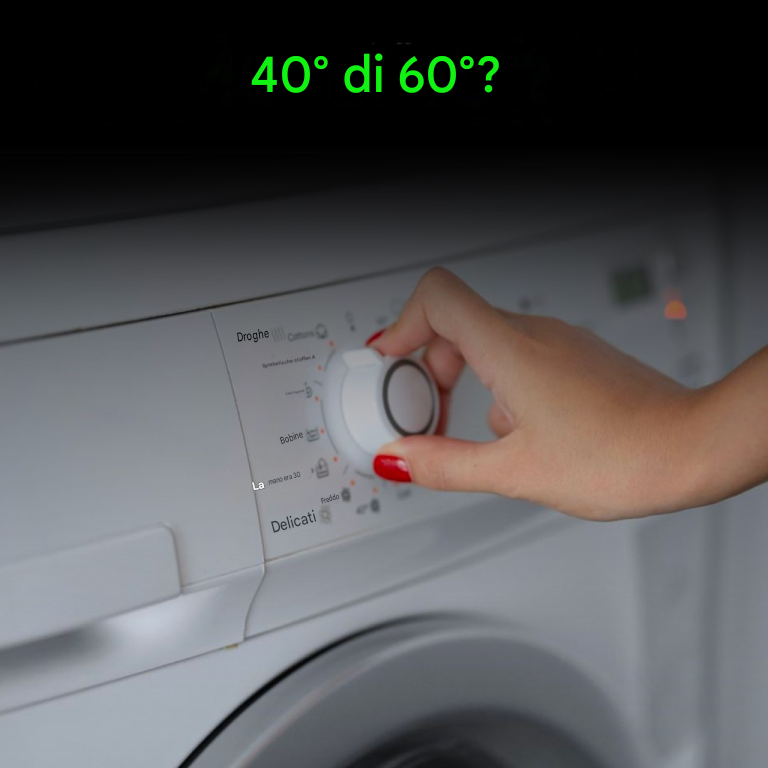
Scegliere la giusta temperatura di lavaggio per le lenzuola ha un impatto che va ben oltre la semplice pulizia: è fondamentale per preservare la qualità delle fibre e garantire un sonno ristoratore. Scopri come regolare questa impostazione può semplificare la cura della tua biancheria da letto e mantenerla inalterata nel tempo.
La temperatura di lavaggio è un’impostazione essenziale per la biancheria da letto.

Lenzuola e federe sono le nostre compagne di notte, costantemente a contatto con la nostra pelle. Per questo motivo, richiedono cure particolari. Lavarle a temperature non idonee può danneggiarle: i colori potrebbero sbiadire, le fibre indebolirsi o il tessuto restringersi. Un programma di lavaggio ben scelto garantisce che rimangano brillanti, morbide e pulite, per un risultato perfetto senza alcuno sforzo.
Il ciclo a 60 °C: la scelta migliore per una pulizia impeccabile.
Per i tessuti resistenti come cotone, raso di cotone o lino, il lavaggio a 60 gradi Celsius rimane un classico. Garantisce una pulizia efficace, elimina diverse macchie e dona una freschezza assoluta, particolarmente piacevole per il lino bianco.
Un punto importante da ricordare: il calore eccessivo può causare un leggero restringimento nel tempo, anche nelle fibre naturali. Sebbene il lavaggio a 90°C sia talvolta possibile per il cotone, questa opzione è adatta solo a casi specifici, come la disinfezione intensiva.
Il resto è nella pagina successiva
