
Salads
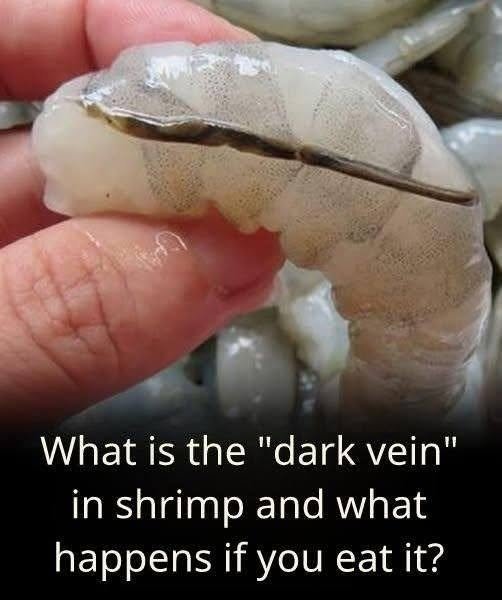
It’s commonly called the shrimp’s “vein,” but this term is actually misleading. It’s not a vein, but rather its digestive tract. Located along the back, it can contain remnants of what the shrimp has consumed in its environment, such as algae or tiny natural particles. Depending on its contents, this line can be more or less dark, ranging from light brown to black.
It’s most often when peeling a large shrimp that it becomes clearly visible, and the question arises: should it be removed or not?
Is it risky to eat it as is?
Good news: from a food safety perspective, eating a shrimp without removing the tail is generally not a problem, provided it is fresh and thoroughly cooked. Cooking eliminates any undesirable elements and makes the food safe to eat.
But cooking isn’t just about safety. Taste, texture, and enjoyment play just as important a role, especially when you want to treat yourself or delight your guests.
FoodA subtle but real impact on taste
This is where opinions converge. Many cooks recommend removing the digestive tract, not for health reasons, but for taste. When left in, some people perceive a slight bitterness or a somewhat grainy texture, especially in grilled or sautéed preparations.
Removing it reveals a milder, cleaner flavor. The difference may seem subtle, but it often enhances the experience, especially with larger shrimp. This often-overlooked culinary detail can truly make a difference.
BBQ & Grilling
How to devein a shrimp without stress
Rest assured: deveining a shrimp is a simple task. On a raw shrimp, simply make a shallow incision along its back, then gently remove the vein using the tip of a knife or a toothpick.
This can also be done after cooking and peeling, but the flesh is firmer and requires more care. For ease, it’s best to do it before cooking, especially if you’re a beginner.
Is it always necessary to do this?
Not necessarily. It all depends on the size of the shrimp and how they’re used.
For small shrimp, the vein is often barely visible and generally left intact, especially in mixed dishes. For large shrimp, however, it’s more pronounced, and removing it is often preferred, both for aesthetic reasons and for taste.
This is also why many shrimp are sold already peeled and deveined, to simplify preparation.
Il resto è nella pagina successiva
